




Short answer: for puffiness and dehydration, yes, within twenty minutes. For pigmentation and hollowing, no — and no patch of any kind will change that.
Eye patches are one of the few products where the honest answer is genuinely split. They do one job very well and another job not at all, and almost all the disappointment comes from buying them for the second.
What is actually in a patch
A hydrogel patch is mostly water, held in a gel matrix — usually glycerin plus a gelling agent like carrageenan or sodium alginate — with actives dissolved through it. The gel sits against the skin and forms a seal, which does two things at once: it stops the water evaporating, and it keeps the actives in contact with the skin for a set period rather than drying off in ninety seconds.
That occlusion is the whole mechanism. It is why a patch outperforms the same formula applied as a cream over the same twenty minutes.

What patches genuinely do
Reduce puffiness — quickly
Morning puffiness is fluid that has settled in the loose tissue under the eye overnight. A cool patch encourages that fluid to move, the gel provides light pressure, and the effect is visible in fifteen to twenty minutes. Real, reliable, temporary — it lasts a few hours.
Storing them in the fridge measurably improves this. It is not a marketing flourish; cold constricts the vessels and speeds the drainage.
Hydrate and smooth the surface
Under-eye skin is the thinnest on the face, around 0.5 mm, with very few oil glands. It dehydrates first and shows it first, as fine crepey lines that appear in the afternoon and vanish after a good night's sleep. Twenty minutes under an occlusive gel plumps those out for several hours and makes concealer sit properly instead of settling into them.
Deliver an active for a defined window
Whatever is in the patch — PDRN, niacinamide, peptides, caffeine — gets a sustained contact time it would never get from a cream. Over weeks of regular use that adds up to a genuine, if modest, improvement in how the skin looks and feels.

What patches do not do
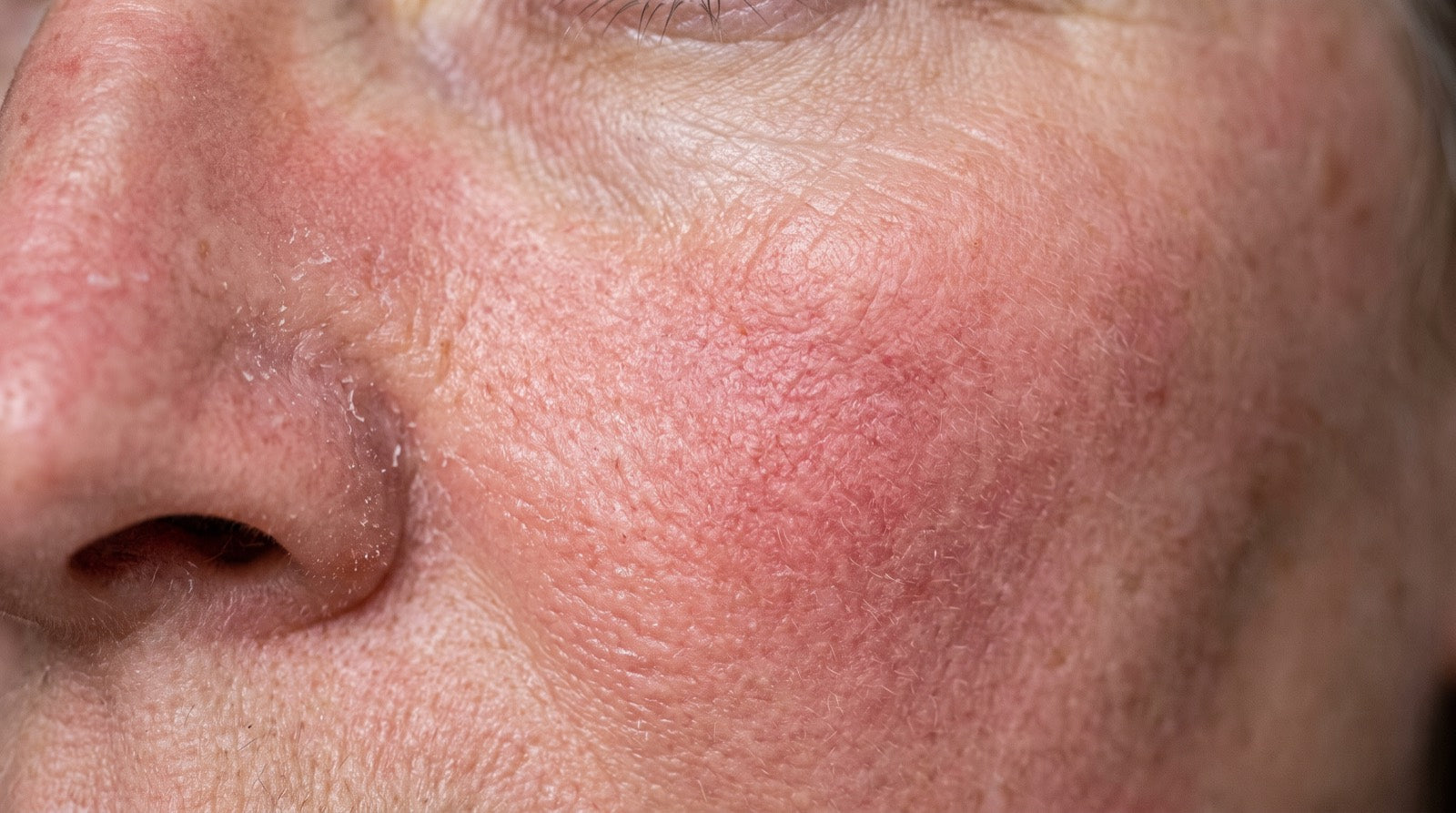
- Lighten true pigmentation. If your shadows are melanin — common in deeper skin tones, and often genetic — twenty minutes of hydration changes nothing. That needs months of a pigment-active ingredient, or in-clinic treatment.
- Fill a hollow. If the darkness is a shadow cast by the bone beneath thinning skin and lost fat, no topical addresses it. That is what filler exists for.
- Erase established wrinkles. Dehydration lines soften. Set expression lines do not.
- Do anything permanent. Patches are a morning tool, not a treatment course.
Which type you have decides whether patches are worth your money — and the three-way distinction is easy to work out at home. We have written the test up in dark circles, hollows or puffiness.
How to use them properly
- Clean, dry skin. On top of a cream, the patch slides off and the actives fight each other.
- Place them on the orbital bone, not right against the lash line. The thickest part of the patch should sit over the puffiest area, roughly a finger's width below the eye. Too close and the product migrates into the eye.
- Fifteen to twenty minutes. Not overnight. Once the gel dries out it starts pulling moisture back out of the skin — the opposite of the point.
- Press the serum left behind into the skin. Do not wipe it off; that is the active you paid for.
- Fridge, not freezer. Cold helps, frozen gel does not conform to the face.
- Two or three mornings a week is plenty for maintenance. Daily is fine if you like the ritual.

Getting more out of them
Do the drainage first. Two minutes of light tapping along the orbital bone from the inner corner outwards before you apply the patch moves more fluid than the patch does alone.
Look at the salt and the wine from the night before. Morning puffiness has causes, and one of them is on the dinner table.
Sleep with your head slightly raised. An extra pillow does more for morning under-eyes than most products.

How to use PDRN eye patches
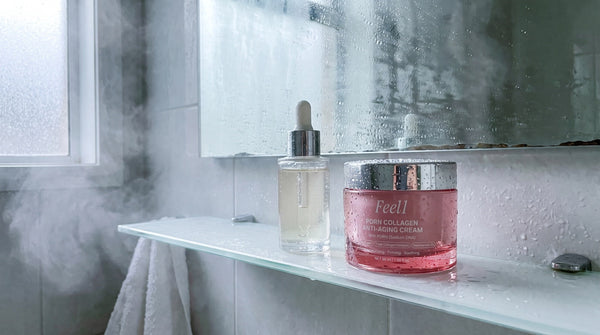
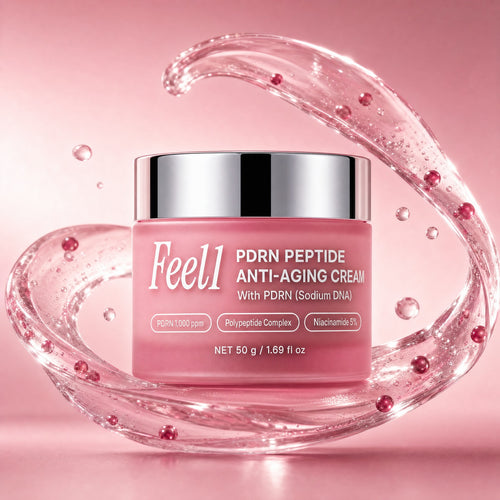
The steps above apply to any hydrogel patch. Ours come in a flat frosted-glass jar with a chrome lid rather than in single sachets, and a jar behaves a little differently, so here is the routine as we actually do it with the PDRN Collagen Under-Eye Patches. The patches sit stacked in a shared essence — sixty of them, thirty pairs — and that essence is the reason for most of the rules below.
- Jar from the fridge, lid off, hands washed. The jar lives on the fridge door and comes out only for the minute it takes to lift two patches. Cold gel also holds its shape better on the tweezers.
- Lift with the spatula or clean tweezers, never fingers. Fingers carry skin oil and yesterday's cream into the essence that the remaining fifty-eight patches are sitting in. Catch the patch by its wide end, lift it clear, and let the surplus essence run back into the jar for a second or two. The patch is translucent pink and floppy; it looks fragile and is not.
- Wide end inwards, tail outwards. The crescent's thick end goes under the inner corner where the puffiness collects, and the thin tail follows the orbital bone out towards the temple. Keep the top edge a finger's width below the lashes. Press from the inner corner outwards to push out the air.
- Twenty minutes. Set a timer. The gel warms to skin temperature in about five minutes, which is when it stops feeling cold and starts feeling like nothing; that is normal. Talking and smiling will shift it, so this is a coffee-and-emails window, not a phone-call window.
- Peel from the outer corner and tap the rest in. What is left on the skin is the essence the patch was carrying — PDRN, niacinamide, ceramide, hyaluronic acid. Pat it in with the ring finger until it is absorbed, then carry on with sunscreen or concealer. Do not rinse.
- Lid on tight, jar back in the fridge. A jar left open on the basin edge dries out from the top layer down, and the last ten pairs turn thin and rubbery. Closed and cold, the essence stays where it should be.
How long a jar lasts. Thirty pairs at three mornings a week is ten weeks; daily is a month. At the current shop price that works out at roughly a dollar a pair. Once the jar is open we would aim to finish it within about three months — not because anything dramatic happens at ninety days, but because every opening lets a little air in, and a half-empty jar that has been open all summer is never as good as a fresh one. If the essence smells different or the gel has gone cloudy, stop.
What is in the essence, in order. Allantoin, licorice extract and niacinamide come first on the ingredient list, then the PDRN itself (salmon-derived sodium DNA), ceramide NP, two forms of collagen, centella and hyaluronic acid. If you want the longer explanation of what PDRN is and what it can realistically do in twenty minutes, it is in our PDRN primer.

How we compare patch formats
We are a brand that sells one of these formats, so take the table for what it is: how we weigh them, with the numbers we used. The prices are per pair, taken from what the mainstream options in each format cost in the United States in 2026; they will drift, the ratios will not.
| Format | Contact time | Price per pair | Fridge | Waste | What carries the active |
|---|---|---|---|---|---|
| Hydrogel, single sachets | 15–20 min | about $2–6 | Fits, but bulky | A foil sachet and a plastic backing per pair | Gel, sealed fresh in each sachet |
| Hydrogel, jar (30 pairs) | 15–20 min | about $0.50–1.85 | Yes, the whole jar | One jar and one spatula per 30 pairs | Gel, sitting in a shared essence that must stay closed and cold |
| Reusable silicone | 10–20 min, plus whatever you put under it | about $25 once, then your serum | Optional | Almost none | Nothing — it only seals the serum you apply first |
| Sheet-mask strips | 10–15 min before they dry | about $1–3 | Rarely | A sachet and a fibre sheet per pair | Soaked fibre, no gel, no cooling mass |
Sachets are the travel format and the gift format: each pair is sealed until you open it, nothing can dry out, and they weigh nothing in a wash bag. The trade is price — you are paying for sixty small pieces of packaging — and the fact that most people never get round to chilling them.
The jar is the daily-use format. It is the cheapest hydrogel per pair by a wide margin, it goes in the fridge once and stays there, and the patches are wetter than sachet patches because they have been sitting in essence rather than in a thin film of it. The trade is discipline: the spatula, the lid, the cold. A jar that is treated like a sachet — open on the counter, fingers in — will not last.
Reusable silicone is the cheapest option over a year if you already own a serum you trust, and it produces no waste at all. What it does not do is bring anything of its own: it is an occlusive cover, so the twenty-minute result is only as good as the serum under it, and it does not cool the way a mass of gel does.
Sheet-mask strips are the budget option for straight hydration. They are fine for that. They dry faster than gel, so the window is shorter, and without the gel's weight and cold they do little for puffiness — which for most people over forty is the thing they bought patches for.
Where this sits in our reading
This article is the practical one: what a patch can do, how to use ours, and how the formats compare. The questions around it — the evidence, the safety, the alternatives, the rankings — we have handed to people who are better placed to answer them than a brand is.
- Do under-eye patches actually work? — a skincare expert's ten-week protocol on the evidence, what dermatologists say, and how long results take.
- The downsides of wearing eye patches every day — over-occlusion, fragrance reactions, how long is too long, and who should patch-test first.
- What Koreans use under their eyes — a makeup artist on the K-beauty under-eye routine and what actually happens before a red carpet.
- What to use instead of an eye patch — the cold spoon, the caffeine roller and the concealer technique, and when a patch still wins.
And three more pieces of our own, each on one narrower question:
- PDRN eye patches: what they are — what PDRN does in a hydrogel that it cannot do in a cream, and how the patch types differ.
- Eye patches vs eye cream — which one you actually need, and how to combine them.
- When to use eye patches: morning or night — where they sit in a routine, and when cold matters.
Frequently asked
Can I leave eye patches on overnight?
No. They dry out within an hour or so and then draw moisture back out of the skin. Fifteen to twenty minutes is the window.
Why do mine slide down?
Either the skin was not dry, or they are on top of a cream, or the patch is too large for your orbital area. Pat the skin dry first and press the patch on from the inner corner outwards.
Do they work for dark circles?
For dark circles caused by dehydration and puffiness, yes — the area looks brighter because the surface is smoother and reflects light better. For pigmentation or hollowing, no.
Is the cold the active bit?
For puffiness, mostly yes. For everything else, the actives and the occlusion are doing the work.
How many pairs are in the jar?
Sixty patches, which is thirty pairs. At two or three mornings a week a jar lasts ten to fifteen weeks; used daily it lasts a month. Count by pairs, not patches: sixty patches on the label is thirty mornings, not sixty.
Can I reuse a hydrogel patch?
No. Once a patch has been on the skin for twenty minutes it has given up most of its water and essence and picked up skin oil and bacteria. Putting it back in the jar contaminates the essence the other patches sit in. A used patch goes in the bin; a reusable silicone patch is a different product for a different job.